
Digging Our Own Wells
Digging Our Own Wells
Last week, we looked at how Jesus meets people at ordinary wells. But what happens when the well you’ve been drinking from gets filled with dirt? In Genesis 26, Isaac moves into the Valley of Gerar right after a famine. The first thing he hits is a very practical problem: the Philistines had filled in all the wells his father Abraham had dug, shoveling them completely full of dirt.
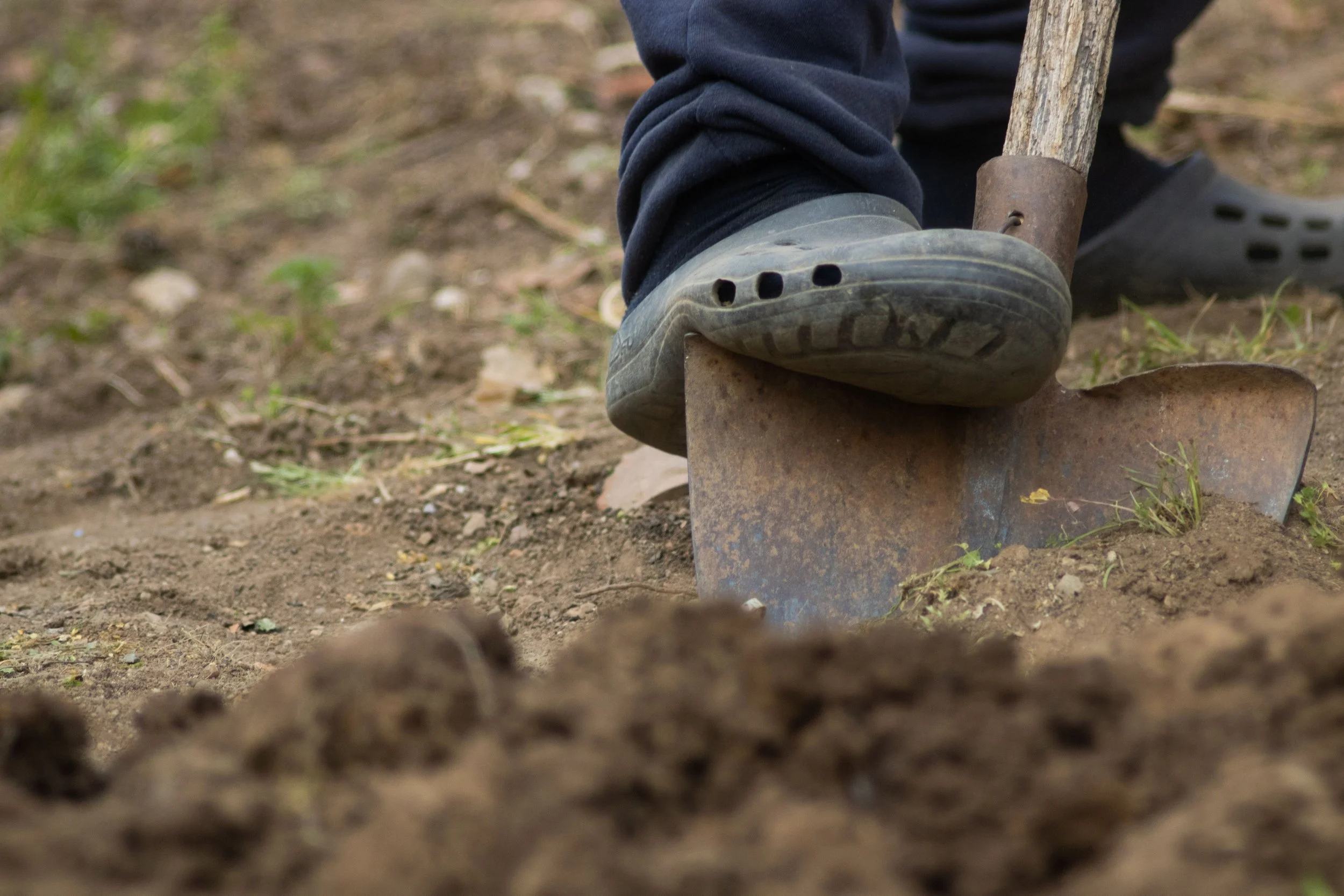
Isaac could have spent his energy complaining about the Philistines or wasting time wishing his dad’s old wells were still working. Instead, he just grabbed a shovel. Genesis 26:18 says he “dug again the wells of water that had been dug in the days of Abraham his father.” He had to clear out the dirt himself to get to water.
I think it’s a little disconcerting how fast we can become professional Christians on the field. We can write three newsletter updates, lead a Bible study, and draft quarterly reports, all while our actual prayer life has been dead for months.
When you first land in a new country, you usually survive on spiritual leftovers. You live off the momentum of your sending church back home, memories from your college ministry days, or the pure adrenaline of your original calling. That old water keeps you alive for a season.
But eventually, real life dumps a load of dirt right into those old wells.
It’s not usually one big crisis. It’s the slow grind: waiting four hours at immigration, another team argument over a budget line item, language stress, humidity, and raw exhaustion. Things just are not going how you expected them to go. Dang expectations. You drop your bucket down into the things that used to inspire you, and you just hear it hit dry ground.
You cannot sustain a long-term call on someone else’s spirituality, even if it was yours, or a ten-year-old mountain-top experience.
Notice Isaac didn’t just dig once and call it a day. The locals fought him over the first well, so he named it Esek (Contention) and kept moving. They fought him over the second, so he named it Sitnah (Enmity) and kept digging. Finally, he hit a third well, named it Rehoboth (Open Spaces), and said, “Now the Lord has made room for us.”
Digging wells is not glamorous. It is sweaty, repetitive work. Some days, especially days on the cross-cultural field, trying to sit with God feels like throwing a spoon against a pile of hardened mud. It feels a hundred times easier to just fake it, run on fumes, and keep up appearances for your supporters back home.
But Jesus isn't asking you to live off your old well, your parents’ well, or your sending church's stream. He wants to meet you right here in the mess of where you actually live today.
Intimacy with Him isn't going to look like it did before you left home. It might just look like five quiet minutes over instant coffee before the city wakes up, a raw prayer spoken in broken local language, or sitting in your living room with nothing left to say, letting His grace carry the silence.
Stop trying to pull water out of dry holes from a past season. Pick up the shovel. Do the small, unglamorous work of looking for Jesus in your real, current week. Beneath all the dirt, the living water hasn't gone anywhere. As Jesus promised in John 7, the Spirit in you isn't a stagnant reservoir you have to drag around—He is a spring waiting to break through the surface again. Pick up the shovel.
-The MissioCare Collective Team